1.Privacy and Data Protection:
The VPN regulations are a multifaceted area that encompasses legal, technical, and policy considerations. Here's a structured overview based on the thought process:
- VPNs redirect traffic to another location, posing risks of interception and monitoring. Legal frameworks like the EU's GDPR and the US's Cybersecurity Act address data protection, requiring users to ensure their data is secure.
-
Data Breaches and Security:
While regulations aim to protect user data, additional measures like two-factor authentication may be required, though not always enforced.
-
Legal Definition of a VPN:
The definition varies, with some requiring specific entities in a jurisdiction to offer VPN services. This affects global regulations and user interactions.
-
Terms of Service (TOSS):
TOSS documents outline policies, including data requirements and user interactions. These vary by region, impacting global regulation.
-
Public vs. Private VPNs:
Public VPNs offer internet access, while private ones host traffic. Different regulations apply, with public VPNs needing robust security to handle traffic without compromising privacy.
-
Regulatory Interaction with Data Privacy Laws:
VPNs must comply with GDPR and CCPA, with public VPNs needing additional measures like encryption and user authentication.
-
International Organizations:
International bodies like the European Union may set standards, while the VPN industry itself likely prides itself on internal regulations ensuring robust security and functionality.
-
Technical Requirements:
VPNs must be robust, using technologies like encryption and data protection protocols to ensure secure traffic handling.
-
International Regulations:
The EU's GDPR and US's Cybersecurity Act are examples of international standards, with specific regulations applied to VPNs, focusing on functionality and data security.
-
Impact on Users:
VPNs affect different user groups, especially those with limited access. protections vary, with international bodies ensuring global standards are met.
-
Purpose and Regulatory Implications:
Using VPNs for education, business, or personal purposes may have specific legal implications, with regulations tailored to user needs and access requirements.
In conclusion, understanding VPN regulations involves examining legal frameworks, technical infrastructure, and regional differences. Each aspect plays a role in ensuring privacy, security, and compliance in the digital world.
相关推荐
-

VPN安全威胁,从威胁分析到应对策略
在互联网时代,VPN作为一种重要的连接方式,正逐步成为人们日常交流的重要载体,随着网络安全的不断加剧,VPN的安全性也面临前所...
-
1.Privacy and Data Protection:
The VPN regulations are a multifaceted area that encompasses le...
-
VPN的作弊之路,技术困境与用户困境
随着网络技术的飞速发展,VPN作为一种强大的网络安全工具,已经渗透到我们的日常生活和商业运营中,随着技术的不断进步,越来越多的...
-
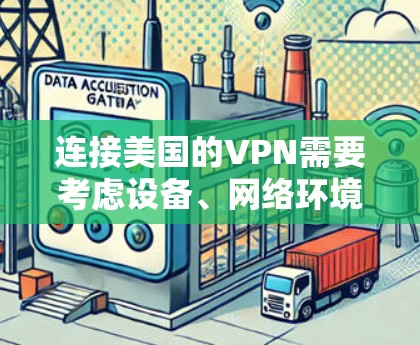
连接美国的VPN需要考虑设备、网络环境和VPN服务提供商的具体情况。以下是一些常见的步骤和方法
检查网络连接 使用网络工具:确保你的设备有稳定的网络连接,可以使用Wi-Fi 测试点或备份重要数据到云端。 检查网络提...
-

以下是一些建议
您想在某个平台加速使用精灵VPN吗?精灵VPN是中国领先的互联网服务提供商,属于中国的互联网服务提供商(China Inter...
-
如何在安卓手机上安全使用VPN
在当今快速发展的科技时代,手机已经成为人们日常生活和工作的重要工具,随着互联网的普及,越来越多的人开始关注如何在手机上安全使用...